August 28, 2025


INTRODUCTION
The Himalayan region, once admired for its snow and beauty, has increasingly become one of the most disaster-prone areas. As a fragile mountain system, it is highly vulnerable to human activity and climate change. Unplanned construction, deforestation, and rising temperatures have triggered frequent and intense disasters such as floods, landslides, avalanches, and land sinking. These not only damage infrastructure but also displace families, destroy livelihoods, and disrupt communities.
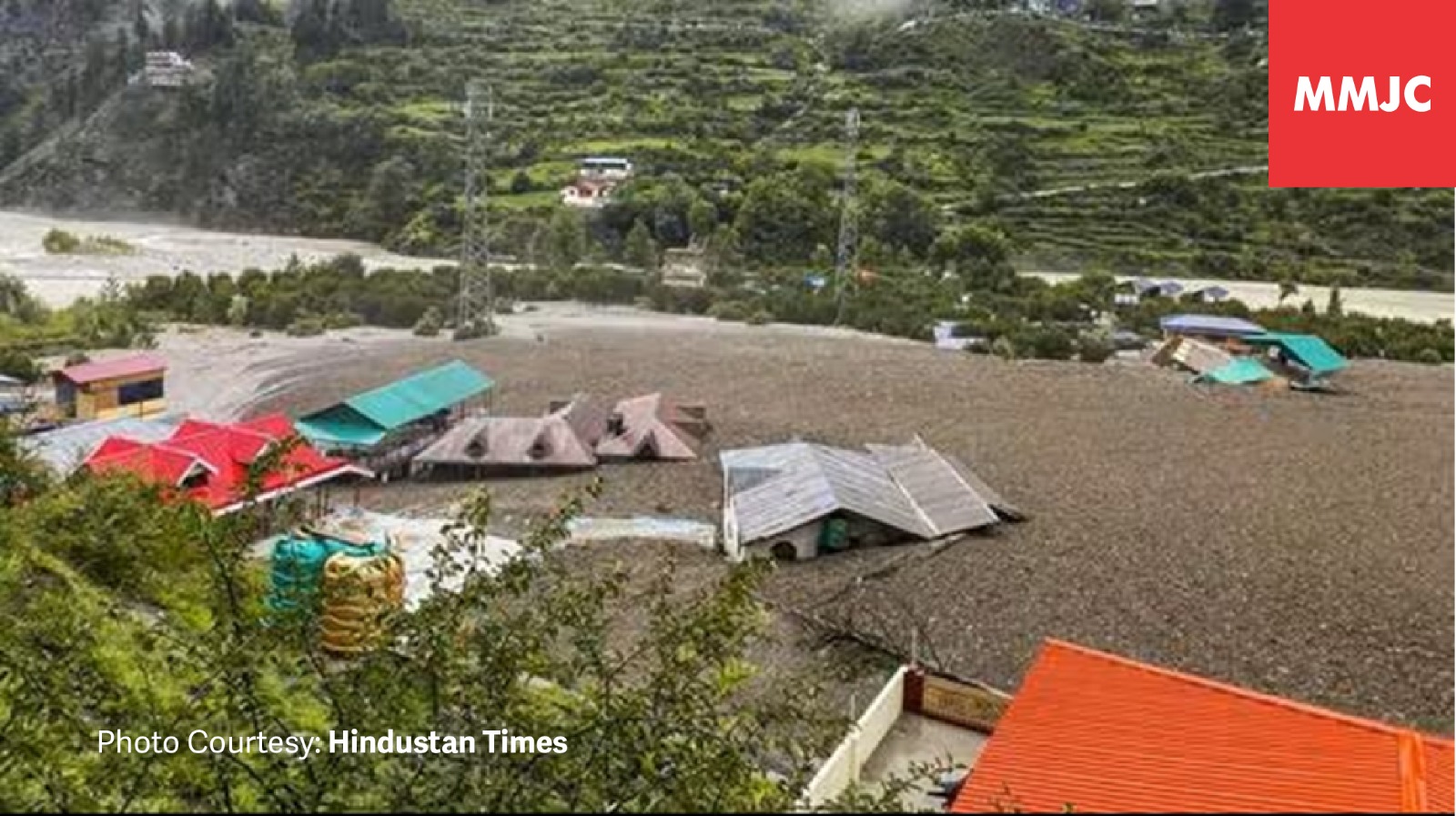
The recent flash flood in Dharali village, Uttarkashi, is a stark reminder. Within hours, water, rocks, and debris swept away homes, markets, and public spaces, cutting off roads and communication. The tragedy highlights how climate change, melting glaciers, and fragile ecosystems are intensifying risks in the Himalayas.
This article discusses the challenges faced by local communities and examines how Corporate Social Responsibility (CSR) can support disaster preparedness, emergency relief, and long-term recovery. It also outlines CSR activities in line with Schedule VII of the Companies Act, 2013, ensuring contributions remain impactful and compliant.
THE HIMALAYAN CRISIS
Dharali, a small village in Uttarkashi, is known for its apple orchards, serene Himalayan views, and the Bhagirathi River flowing quietly by its side. For years, it has been a stopover for pilgrims on their way to Gangotri and a peaceful home for its residents. But in just a few hours, this picture of calm was shattered. A sudden flash flood turned the village into rubble, leaving behind silence where there was once life and activity.
The Himalayan region has always been a victim of nature’s fury, facing recurring challenges such as floods, landslides, avalanches, and land sinking. Its fragile ecosystem, combined with the increasing strain caused by human development and climate change, has made it increasingly prone to sudden and severe disasters. The recent flash flood in Dharali is a painful reminder of this reality. Within hours, water mixed with rocks and debris swept through the village, destroying homes, markets, and community spaces. At least four people lost their lives, and more than 50 went missing, including soldiers stationed nearby. Satellite images revealed that over 130 buildings were damaged. Families were displaced, livelihoods were wiped out, and rescue work became extremely difficult as heavy rains, blocked roads, and landslides cut off communication lines. This incident shows how fragile life in the Himalayan belt has become and how urgent it is to rethink development and preparedness in the region.
Behind such events lies a mix of natural fragility and human-induced stress. The Himalayas are geologically young and highly unstable. Climate change, with rising temperatures and melting glaciers, has increased the risk of floods and sudden glacial lake bursts. At the same time, large-scale construction of highways, dams, and hotels to boost tourism has disturbed the ecological balance. Forests that once held the soil firmly together have been cleared, and rivers have been altered, leaving the region more vulnerable to collapse. These disasters are no longer isolated events but part of a growing pattern, with communities living in constant fear of the next tragedy.
DIFFICULTIES FACED BY THE PEOPLE
For the people of the Himalayan region, disasters magnify existing vulnerabilities. Even before calamities strike, life in the mountains is fraught with difficulties. Healthcare facilities are scarce, with many villages located hours away from hospitals. Roads and bridges, lifelines of connectivity, are often weak and prone to collapse. Livelihoods depend heavily on agriculture, horticulture, and tourism—all of which are sensitive to environmental changes. Preparedness is minimal; most villagers do not have access to early warning systems, disaster-resilient homes, or formal training in disaster management.
When disasters occur, these vulnerabilities translate into severe crises. The recent cloudburst in Dharali village of Uttarkashi once again highlighted how fragile the Himalayan ecosystem is. Heavy rains triggered sudden flooding, which damaged homes, roads, and farmland, disrupting the daily lives of local residents. Families had to move to safer places as their villages became unsafe. Essential services like transport, communication, and education were also affected, making it difficult for normal life to continue. Many people dependent on farming, small trade, and tourism faced uncertainty about their livelihoods in the weeks that followed. This incident is not isolated but part of a recurring pattern of natural challenges in the Himalayan region, reminding us of the urgent need for preparedness and long-term resilience.
Beyond material loss, there is the invisible burden of psychological trauma. Families who have seen their homes crumble or lost loved ones live with fear of recurring disasters. Women and children, in particular, carry the heaviest burdens during displacement, often in unsafe and uncertain conditions. Recovery is painfully slow, and in many cases, before one disaster’s scars heal, another tragedy strikes.
HOW CSR CAN HELP IN DISASTER MANAGEMENT
The recent cloudburst in the Himalayan region, which caused heavy flooding, landslides, and destruction in villages, is a reminder of how vulnerable these mountains are. In such times, Corporate Social Responsibility (CSR) can play a big role in supporting both immediate relief and long-term recovery. CSR efforts can be planned across three stages, preparedness, response, and recovery.
Preparedness means reducing risks before a disaster happens. For Himalayan villages, this can include projects like planting trees on slopes, managing water sources, and protecting forests to reduce landslides. Companies can fund early-warning systems that send alerts to people’s phones during heavy rain. Stronger schools, health centres, and community halls can be built so that they remain safe shelters in times of crisis. Training villagers, especially youth and women, in first aid and evacuation can also prepare the community to handle emergencies better.
Response is about acting quickly when disaster strikes. After the cloudburst, many families needed food, safe drinking water, medicines, and shelter. Corporates with strong supply chains can provide these essentials faster. Healthcare companies can send mobile medical units to treat injuries and prevent disease outbreaks. Telecom and IT companies can help restore communication so that rescue teams can work smoothly. Employee volunteers can also be mobilised to assist in distribution and relief work on the ground.
Recovery takes longer but is the stage where CSR can bring the most lasting change. In the Himalayan region, disasters often destroy farmland, schools, and local businesses. Companies can help farmers restart by giving seeds, tools, and training for resilient farming. They can support artisans and small entrepreneurs to rebuild livelihoods and connect them with wider markets. Rebuilding schools, providing digital learning kits, and supporting children with scholarships ensures that education continues despite disruption. Mental health care is equally important, especially for women and children who suffer the most during displacement, and CSR can support counselling programs. Reconstruction projects funded by CSR can also promote eco-friendly housing, renewable energy, and sustainable tourism, so that rebuilding is safer and better for the future.
CSR ACTIVITIES ALIGNED WITH SCHEDULE VII OF THE COMPANIES ACT, 2013
The Companies Act, 2013 (Schedule VII) provides the framework for CSR spending. Disaster management interventions can be mapped to the following categories:
| CSR Activity | Schedule VII Category |
| Relief (food, water, shelter, medical kits), emergency healthcare | Eradicating hunger, poverty, malnutrition; promoting health care & sanitation |
| Mobile medical units, mental health support, vaccination drives | Promoting health care & sanitation |
| Rebuilding schools, digital kits, scholarships, vocational training | Promoting education & vocational skills |
| Afforestation, watershed projects, eco-friendly housing | Environmental sustainability & natural resource conservation |
| Support to farmers (seeds, tools, training), livelihood aid for artisans/SHGs | Rural development projects |
| Repairing roads, bridges, drinking water systems | Rural development projects |
| Contributions to PM Relief Fund/other govt. funds | Contributions to specified funds under Schedule VII |
CONCLUSION
The Himalayan region’s growing vulnerability to natural disasters is a reminder that development must go hand in hand with resilience. Preparedness is the most critical step, it not only reduces risks but also strengthens the capacity of communities to face future challenges. While the people of these fragile mountains face immense hardships, Corporate Social Responsibility (CSR) can be a strong ally in building early warning systems, strengthening infrastructure, and training communities, alongside providing swift relief and long-term recovery. By aligning interventions with Schedule VII of the Companies Act, 2013, companies not only contribute meaningfully to disaster management but also create sustainable social impact. Collective action by corporates, communities, and government can help safeguard both lives and livelihoods, ensuring that the Himalayas remain not only a symbol of natural beauty but also of human resilience.
The article is written by Ms. Samiksha Gada – ESG Consultant